Beyond Afrobeats: Discover the Diversity of African Music and Emerging Artists
Discover African Music: Afrobeats, Amapiano, Highlife and More

African Music Is Much Bigger Than One Genre
When people talk about African music internationally, Afrobeats is often one of the first genres that comes to mind.
And for good reason. Nigerian artists have helped take Afrobeats to audiences across Europe, North America, Asia and beyond.
But African music has always been much more diverse than a single genre.
Across the continent, different communities have developed distinctive musical traditions, rhythms and sounds. These influences continue to shape contemporary music and inspire a new generation of independent artists.
From the energetic sounds of Amapiano to the rich musical traditions of Highlife, there is an entire world of African music waiting to be explored.
If you want to discover more African music, here are some genres worth exploring.
1. Afrobeats and Afropop – Nigeria and Beyond
Afrobeats has become one of the most recognisable contemporary African music movements.
With roots in West African musical traditions and influences from hip-hop, R&B, dancehall and other global sounds, Afrobeats continues to evolve.
Nigeria remains one of its most influential creative centres, particularly in cities such as Lagos.
Afropop also covers a broad range of contemporary African popular music, often combining local sounds with international influences.
For listeners looking to discover emerging Nigerian artists, these genres are an excellent starting point.
2. Amapiano – South Africa
Amapiano emerged in South Africa and developed into a major international dance music movement.
Known for its distinctive piano-led melodies, basslines and rhythmic arrangements, the genre has influenced dance floors and music production around the world.
Its popularity has also created opportunities for collaborations between South African and Nigerian artists.
3. Highlife – Ghana and Nigeria
Highlife is one of West Africa's most influential musical traditions.
It developed through a blend of local musical traditions and external influences, eventually becoming an important part of the musical identity of Ghana and Nigeria.
Highlife is particularly significant in Eastern Nigeria, where it has influenced generations of musicians.
Its melodic arrangements and guitar-driven sounds continue to inspire contemporary African music.
4. Fuji – Nigeria
Fuji is a Nigerian music genre with deep roots in Yoruba musical traditions.
Its energetic rhythms, percussion, vocal delivery and cultural significance have made it an important part of Nigeria's musical heritage.
Fuji continues to influence contemporary musicians and remains an essential part of the country's music identity.
5. Jùjú – Nigeria
Jùjú music is another important Nigerian musical tradition.
Associated with Yoruba culture, the genre is known for its guitar-driven arrangements, percussion and distinctive performance style.
Its influence can still be heard in the broader development of Nigerian popular music.
6. Bongo Flava – Tanzania
Bongo Flava is one of East Africa's most recognisable contemporary music genres.
Originating in Tanzania, it blends elements of hip-hop, R&B, dancehall and local musical influences.
It has developed a strong regional audience and contributed to the wider diversity of African popular music.
7. Gqom and Kwaito – South Africa
South Africa has produced several influential electronic and dance music movements.
Gqom is known for its distinctive, energetic electronic sound, while Kwaito emerged as an important South African house-influenced popular music genre.
Both demonstrate the creativity and diversity of South Africa's music scene.
8. Afro Soul and Afro Fusion
Afro Soul combines African musical influences with elements of soul and contemporary R&B.
Afro Fusion, meanwhile, brings together different African and international sounds to create distinctive musical styles.
These genres demonstrate that African music is constantly evolving and that independent artists are playing an important role in shaping its future.
Where Can You Discover Emerging African Artists?
Knowing about different genres is only the beginning.
The next step is finding the musicians creating the music.
Music discovery platforms, artist communities, social media and independent music websites all offer opportunities to discover emerging talent.
However, discovering music can be even more rewarding when you have the opportunity to support the artists behind it.
This is one of the reasons Egwu exists.
Discover African Music on Egwu
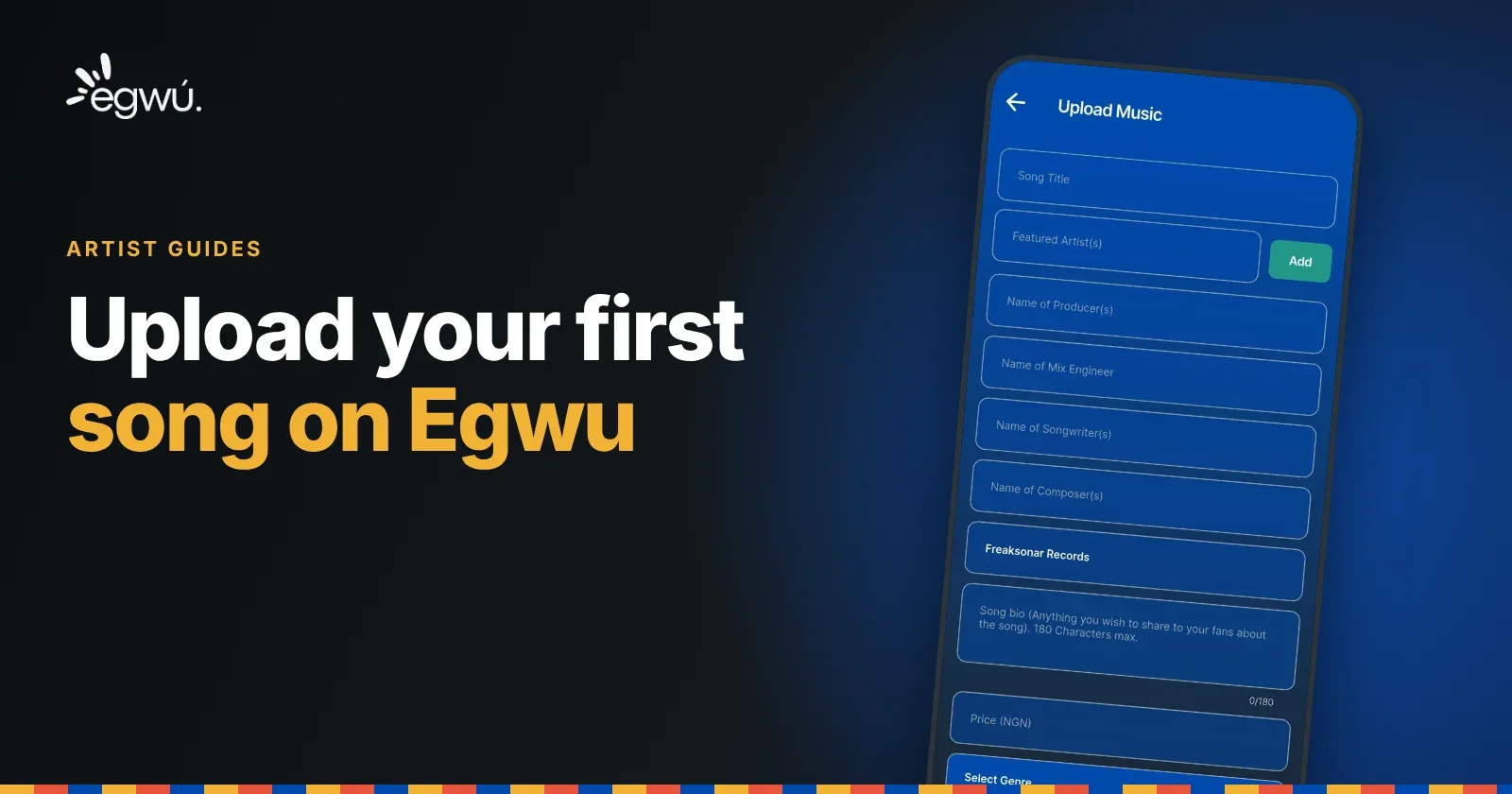
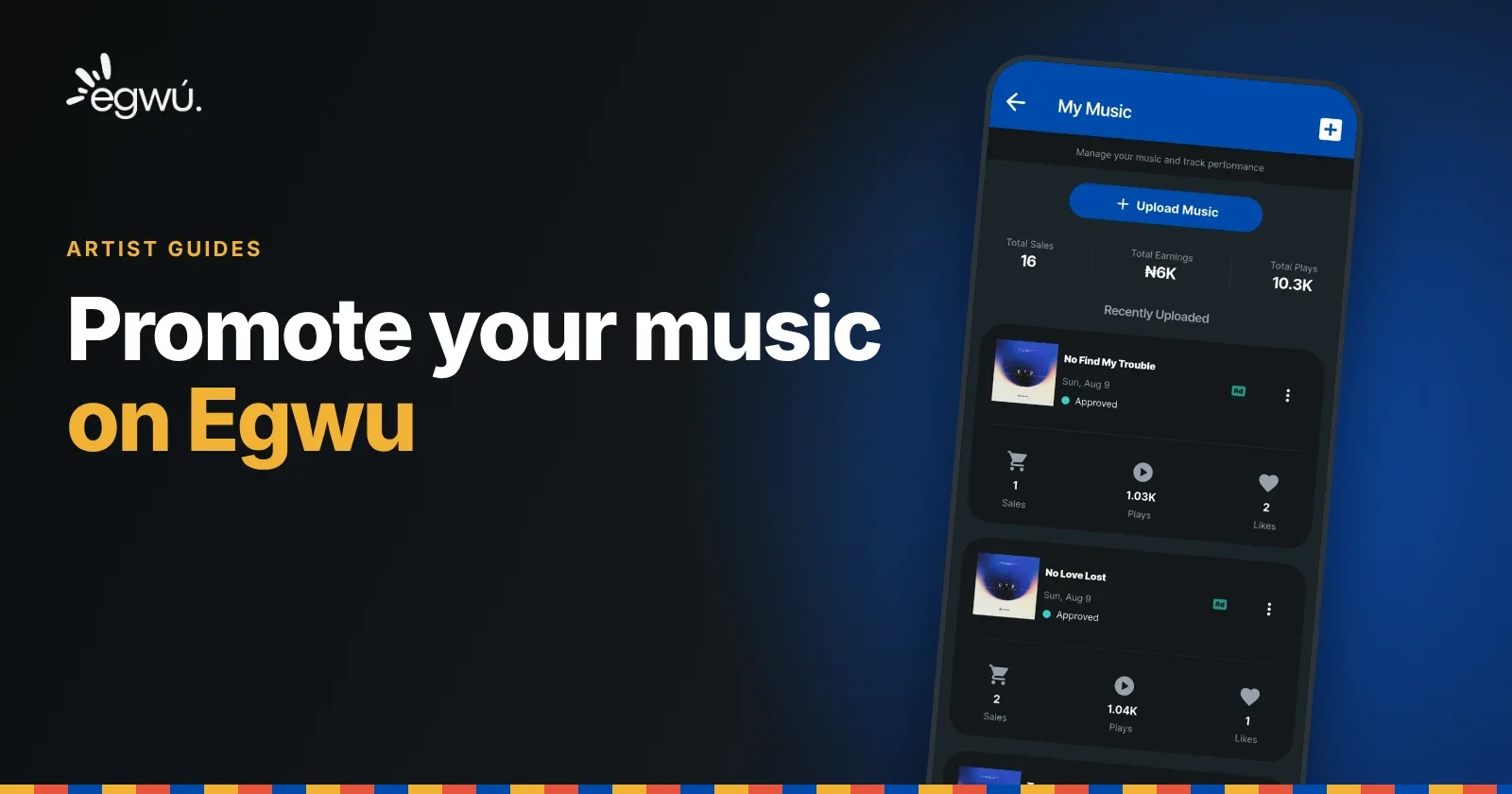
Egwu is an African direct-to-fan music platform that helps listeners discover independent musicians and purchase music directly from them.
The platform brings together music discovery and artist support in one experience.
On Egwu, fans can:
Discover trending music.
Search for songs and artists.
Explore different African music genres.
Follow their favourite musicians.
Create personal playlists.
Build a library of unlocked music.
Discover albums and new releases.
Purchase music directly from artists.
Artists also benefit from a platform where they can sell music and retain 70% of every sale.
Whether you are searching for emerging Afrobeats musicians in Lagos, Amapiano artists in Johannesburg, Highlife musicians in Ghana or new sounds from elsewhere in Africa, Egwu is designed to make African music discovery more rewarding.
Frequently Asked Questions
What are the most popular African music genres?
Some widely recognised African music genres include Afrobeats, Amapiano, Highlife, Fuji, Bongo Flava, Gqom, Kwaito, Afro Soul and Afropop.
Where can I discover new Nigerian music?
You can discover new Nigerian music through music discovery platforms, independent artist communities and platforms such as Egwu, which connects listeners with African musicians.
Is Afrobeats the same as Afrobeat?
No. Afrobeats is a broad term for contemporary West African popular music, while Afrobeat refers to a distinct genre associated with Fela Kuti that combines elements of jazz, funk and traditional African music.
Where can I discover independent African artists?
Egwu provides a platform for discovering independent African artists, exploring their music and purchasing songs and albums directly.
There Is Always Another African Sound to Discover
African music continues to evolve, and some of its most exciting developments are happening through independent artists experimenting with new sounds and influences.
Do not limit your listening experience to the music you already know.
Explore new genres, discover emerging musicians and support the artists creating the sounds of tomorrow.
Your next favourite African artist is waiting to be discovered.
Visit egwu.africa to get started. or Download the app ios and android
Get the Thursday drop: new guides and charts every week. Subscribe.
Frequently asked questions
Where Can You Discover Emerging African Artists?
Knowing about different genres is only the beginning. The next step is finding the musicians creating the music. Music discovery platforms, artist communities, social media and independent music websites all offer opportunities to discover emerging talent. However, discovering music can be even more rewarding when…
Comments
Loading comments…